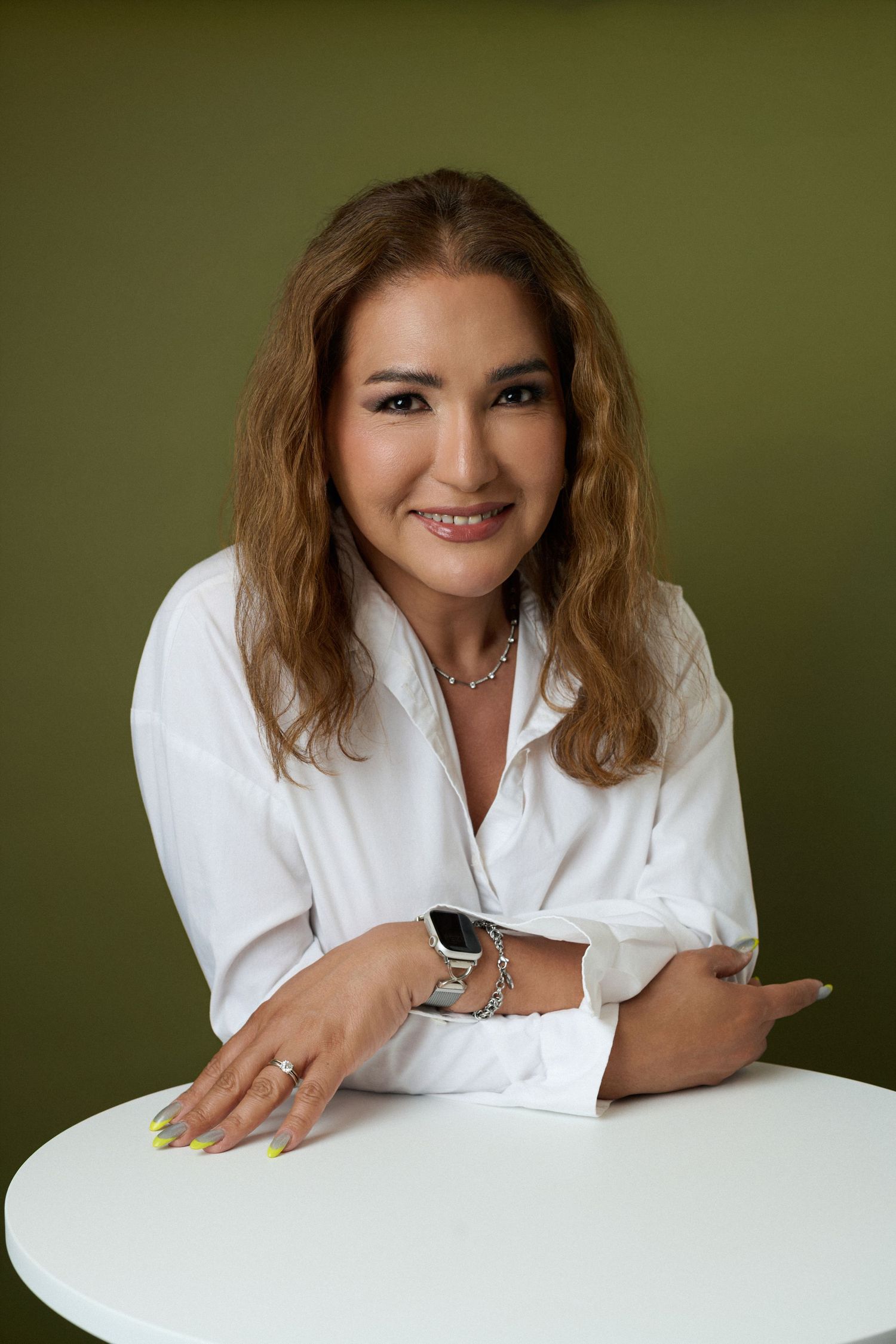
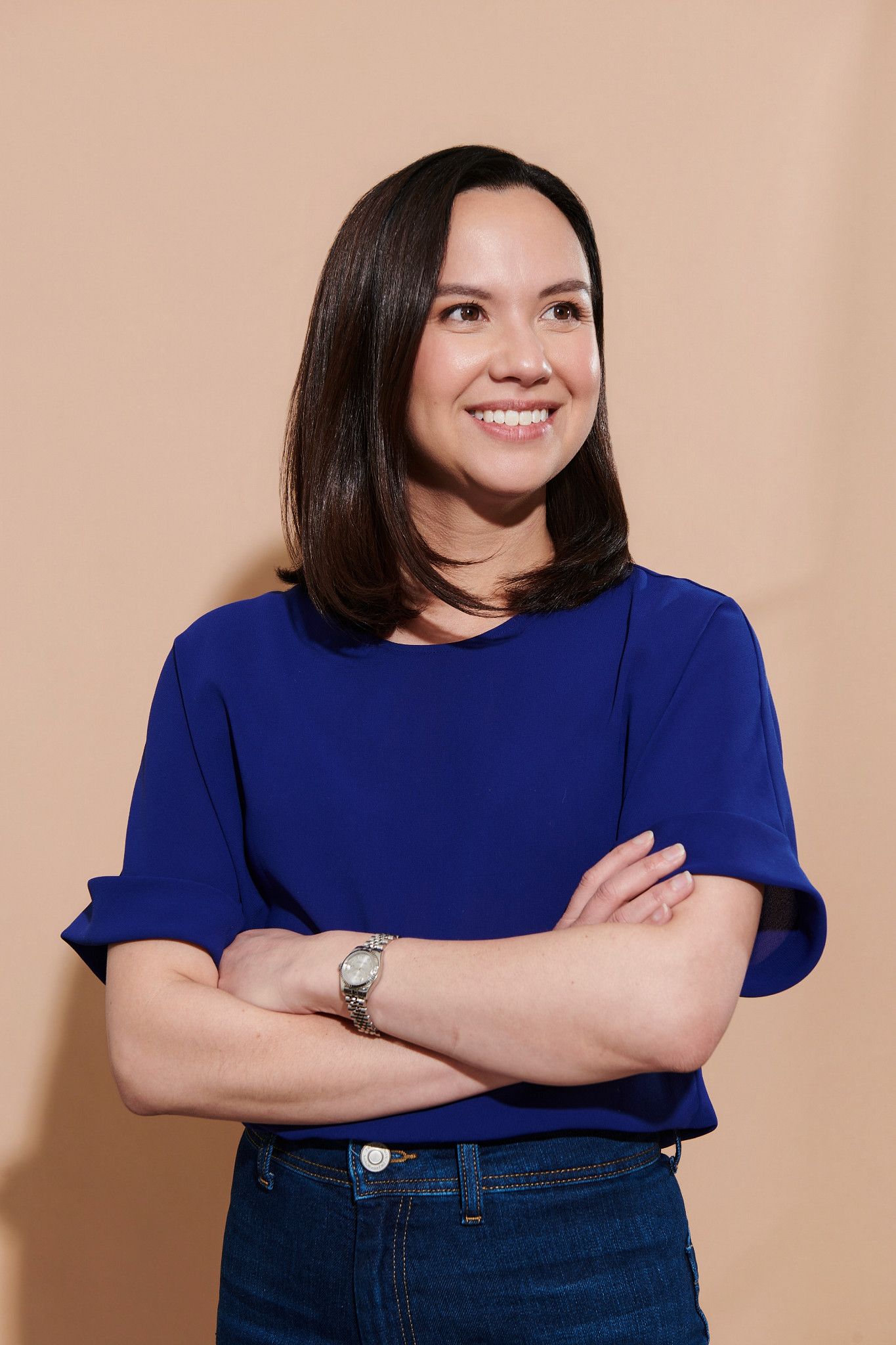
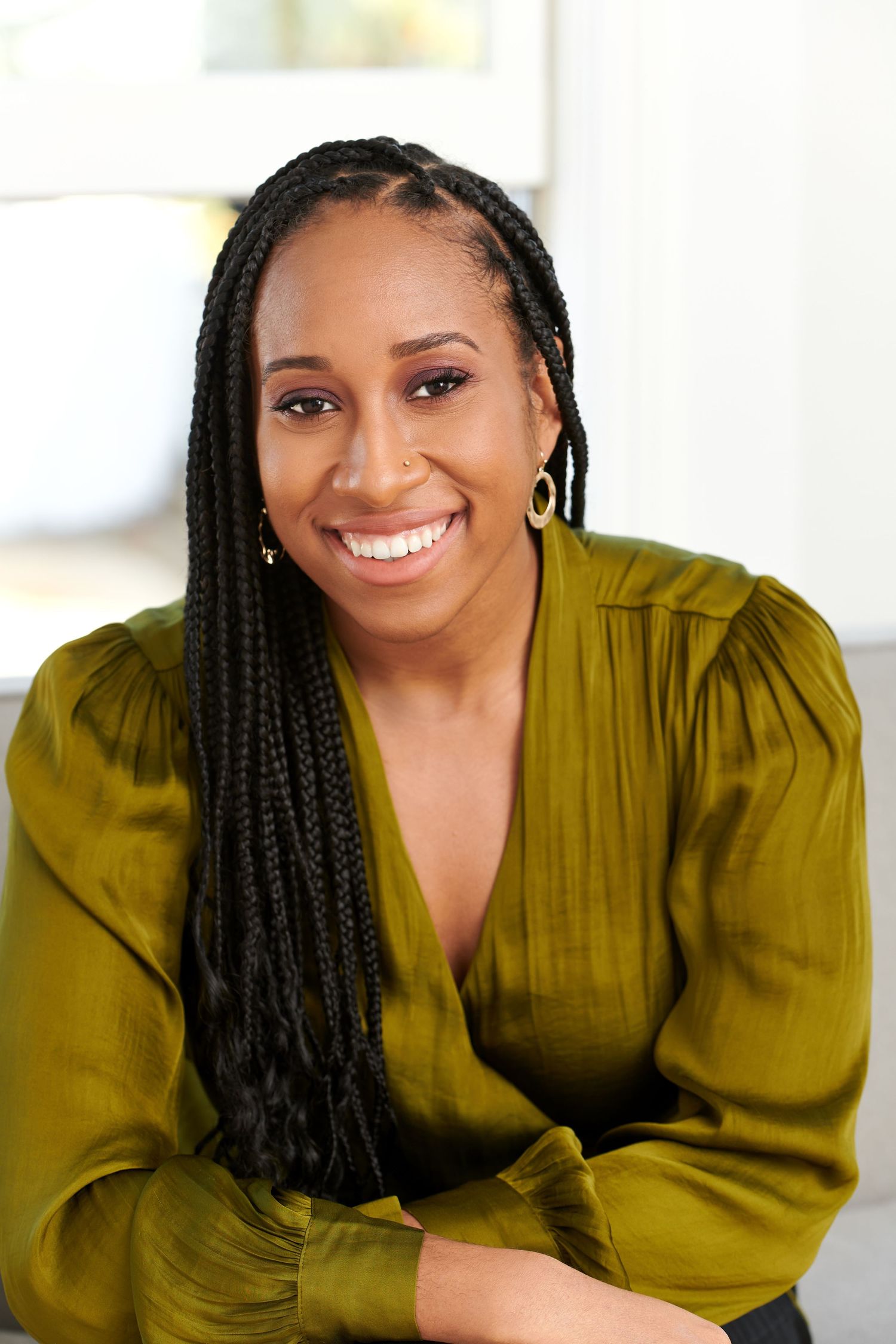
There isn’t a hard rule for how often you should update your professional portrait.
For some people, every few years is enough. For others, a new role, a growing business, a shift in personal style, or simply becoming more visible professionally can make an old photo feel outdated much sooner.
The better question is: Does the image you’re using still feel like an accurate reflection of who you are now?
A professional portrait does more than put a face next to your name. It becomes part of how people encounter you — on LinkedIn, your company website, press features, speaking pages, social profiles, and everywhere else your work shows up. If your current photo no longer feels quite right, that’s usually a good sign it may be time for an update.
1. Your Career Has Changed
A new role is one of the clearest reasons to update your portrait.
Maybe you’ve:
- stepped into a leadership position
- started a business
- joined a new company
- been promoted
- shifted industries
- begun consulting independently
- started speaking or appearing publicly more often
The photo that worked when you were earlier in your career may not reflect how you want to show up now. This doesn’t mean you suddenly need a more serious or formal image. Often, it simply means creating a portrait that feels more aligned with your current role, confidence, and point of view.
2. Your Business or Personal Brand Has Evolved
Your website gets redesigned.
Your messaging changes.
Your work becomes more focused.
Your visual identity becomes more refined.
And then there’s the photo of you from four years ago sitting in the middle of everything.
It happens all the time. If your business has evolved, your portrait should feel like it belongs in the same world as the rest of your brand. That might mean updating the wardrobe, location, background, lighting, or overall mood of the photographs.
The goal isn’t to chase trends. It’s to create an image that feels visually consistent with how you present yourself today.
3. You Don’t Really Recognize Yourself in the Photo Anymore
Sometimes the issue isn’t professional at all.
You’ve changed.
Your hair is different.
Your style has shifted.
You carry yourself differently.
Or maybe the old photograph just feels like a version of you that you’ve moved on from.
A portrait doesn’t have to document every small change, but it should feel current enough that someone who meets you in person recognizes the same person they saw online. More importantly, you should recognize yourself in it. I don’t think updating your portrait should be about trying to look younger, thinner, more polished, or more “professional.”
It should be about creating an image that feels honest to where you are now.
4. You’re Becoming More Visible
The more visible your work becomes, the more places your portrait starts appearing.
That might include:
- conference speaker pages
- podcasts
- press features
- company announcements
- awards
- investor materials
- panel discussions
- author bios
- media kits
- professional directories
Suddenly, the single headshot you’ve been using for years is doing a lot of work. This is usually when it becomes helpful to have more than one image.
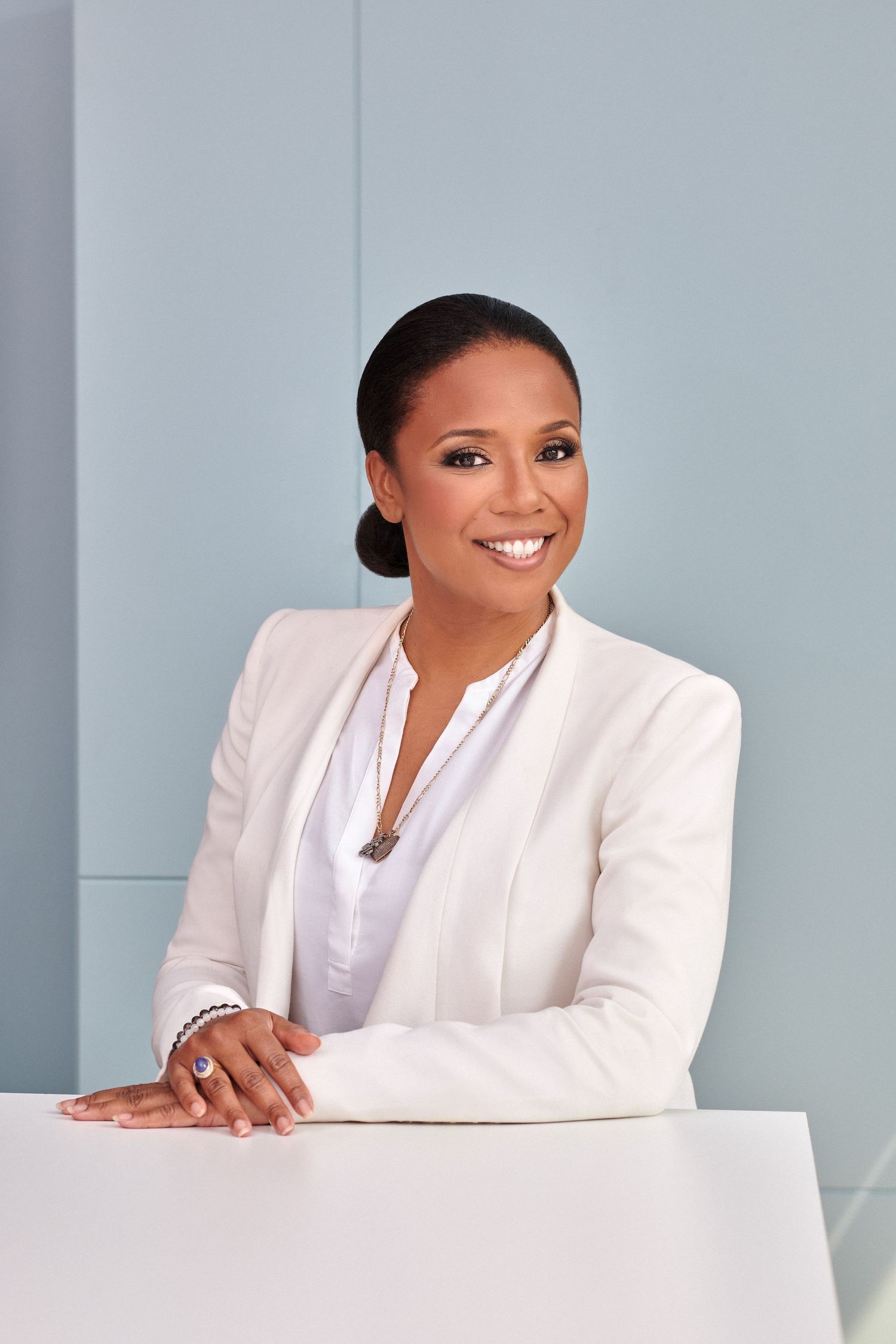
A small portrait library gives you options for different contexts — a tighter crop for LinkedIn, a wider portrait for a website, something more polished for press, and something slightly more relaxed for social media or personal branding.
5. You Keep Avoiding Your Current Headshot
This is probably the easiest test. If someone asks for a professional photo and your first thought is: Ugh. Not that one. …it might be time.
Maybe you constantly crop another person out of a photo.
Maybe you’re using a vacation picture because it feels more like you than your current headshot.
Maybe you have an image that technically looks professional, but you simply don’t like using it.
A portrait should make your life easier. You shouldn’t have to hesitate every time someone asks for one.
6. You Only Have One Usable Image
A single headshot can work for a while, but most professionals eventually need more variety.
Different platforms call for different kinds of images.
A good portrait session can give you:
- a traditional head-and-shoulders portrait
- a slightly wider image horizontal and vertical options
- smiling and more neutral expressions
- different wardrobe looks
- images with more environmental context
- portraits suited for websites, press, LinkedIn, social media, and speaking engagements
Instead of trying to force one photograph into every situation, you have a small collection that works across different parts of your professional life.
7. Your Current Portrait Feels Too Generic
A technically good headshot can still feel disconnected from the person in it.
If the image could belong to almost anyone in your industry, there may be room to create something more specific to you. That doesn’t necessarily mean dramatic styling or an elaborate concept.
Sometimes it’s a subtle shift:
a different expression,
more thoughtful lighting,
a quieter background,
a little more space in the composition,
or simply enough time to get past the first few camera-ready smiles.
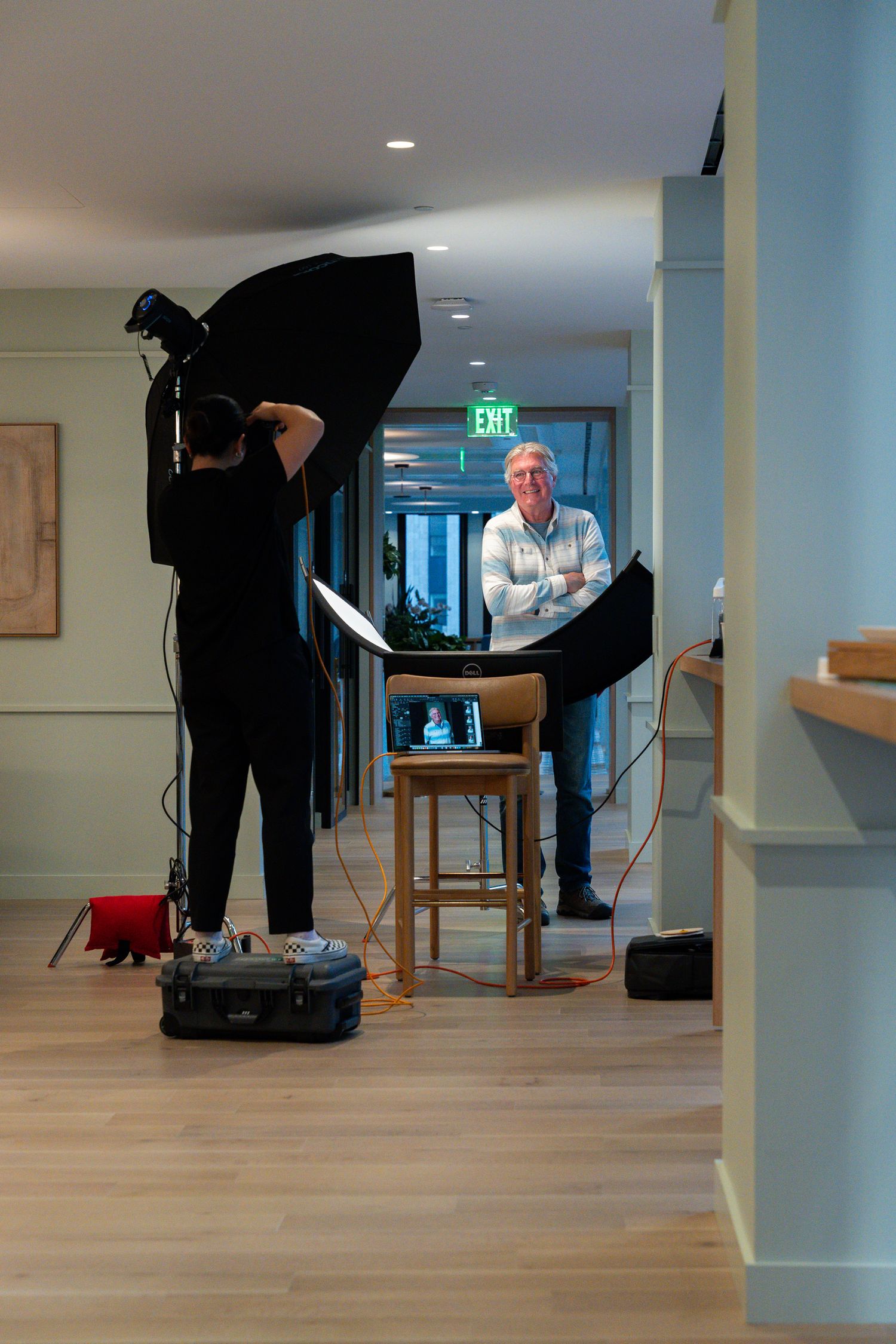
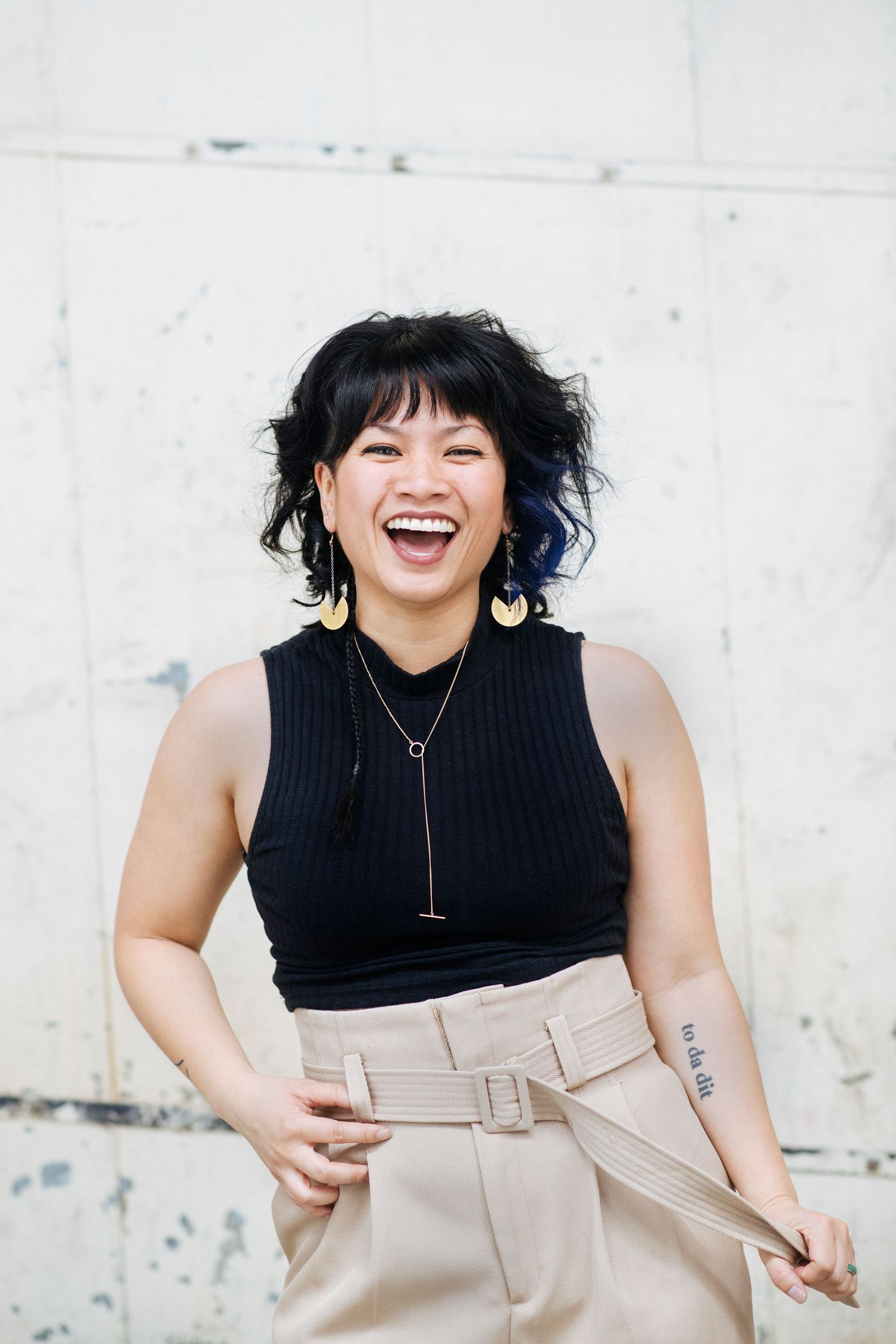
My approach to portrait photography sits somewhere between a traditional professional headshot and a more editorial portrait. I still want the image to be useful and polished, but I’m also interested in the moments where someone settles into the session and starts to look more like themselves.
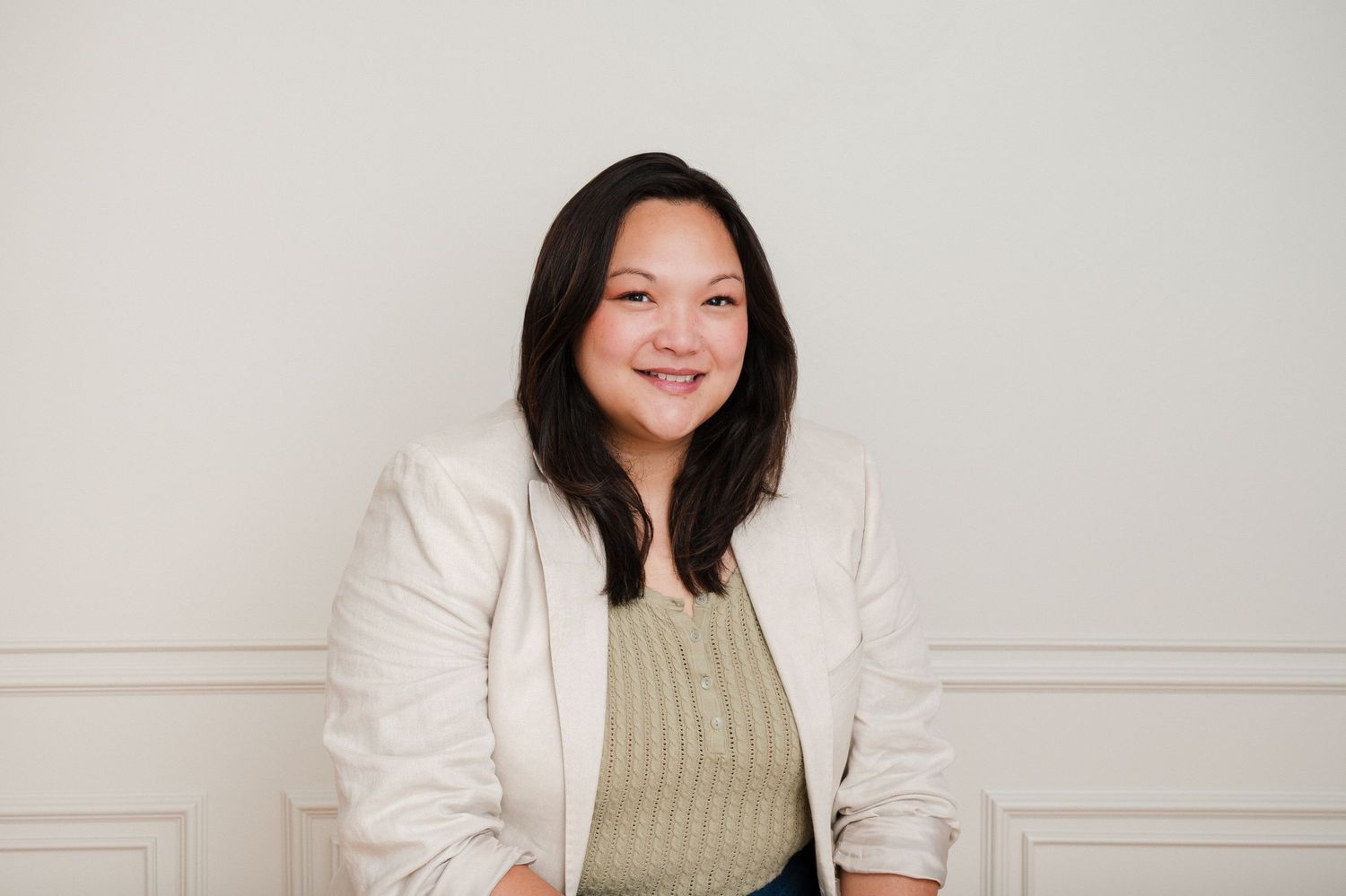
How Often Should You Update Your Professional Headshot?
For most people, every two to three years is a reasonable starting point. But there are plenty of reasons to update sooner.
Consider scheduling a new portrait if:
- your appearance has noticeably changed
- your role or industry has changed
- you’re launching or rebranding a business
- you’re entering a more visible stage of your career
- your current image no longer matches your website or brand
- you simply don’t like using the photo you have
The calendar matters less than whether the image still feels relevant.
Headshot or Full Portrait Session?
Not everyone needs the same kind of session.
If you simply need one polished, current photograph for LinkedIn, a company bio, or another professional profile, a shorter headshot focused session may be all you need.
If you need more variety — multiple looks, different crops, additional wardrobe options, or a broader set of images for your website, press, speaking, and social platforms — a longer portrait session makes more sense.
The right session depends on what you actually need the photographs to do.
Updating Your Portrait Doesn’t Mean Reinventing Yourself
A new professional portrait doesn’t have to mean becoming a different version of yourself for the camera.
Often, it’s much simpler than that.
It’s about creating photographs that reflect the person you already are — just more accurately, more intentionally, and in a way that feels current.That’s the approach I bring to my portrait work: polished enough to work professionally, but never so polished that the person disappears.
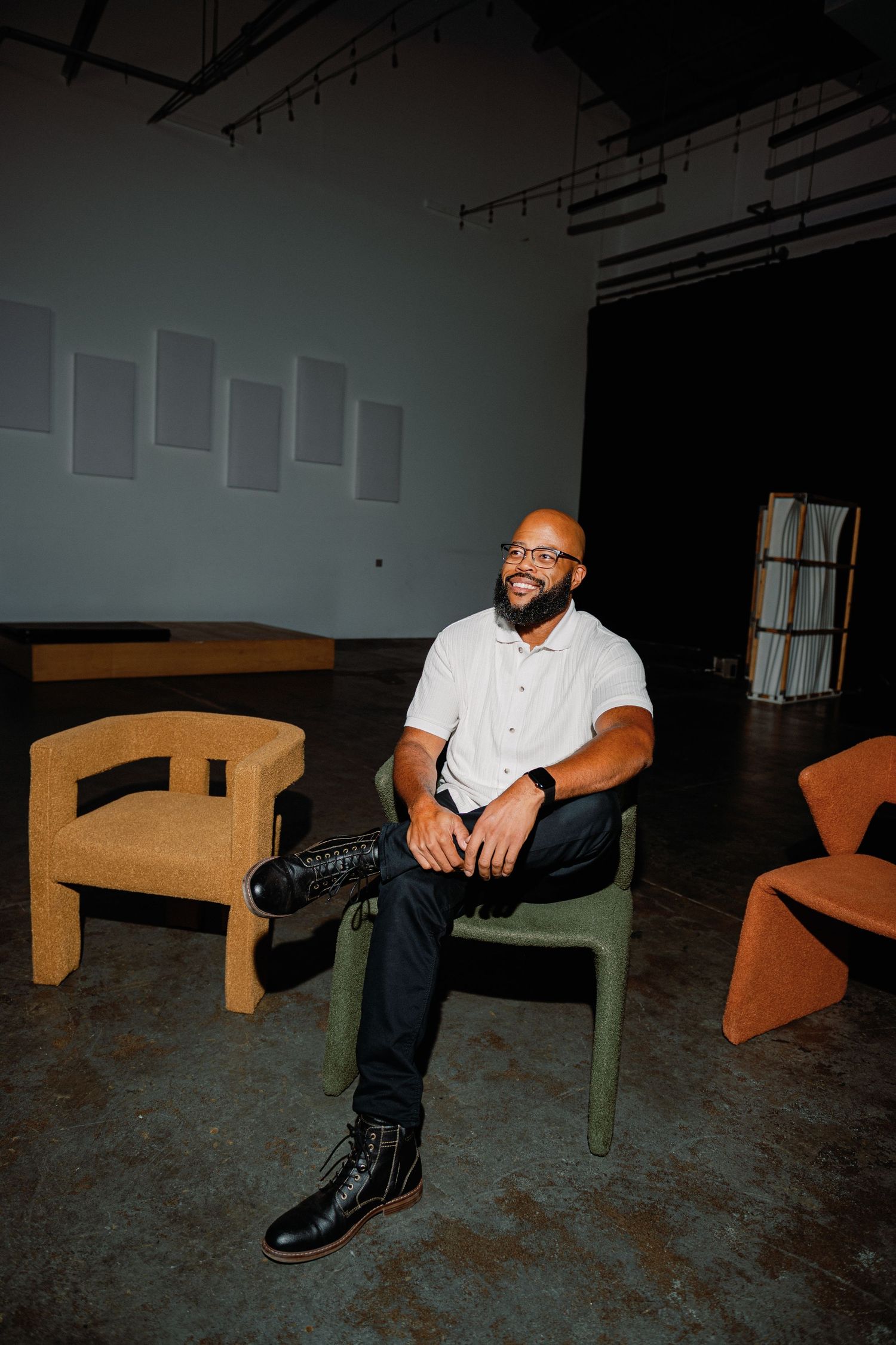
I photograph professionals, founders, creatives, executives, and individuals throughout San Francisco and the Bay Area who need updated portraits for LinkedIn, company websites, press, speaking, personal brands, and everything in between.
Whether you need one strong new headshot or a broader portrait library, we can build the session around how you actually plan to use the photographs.
Professional Portraits in the San Francisco Bay Area