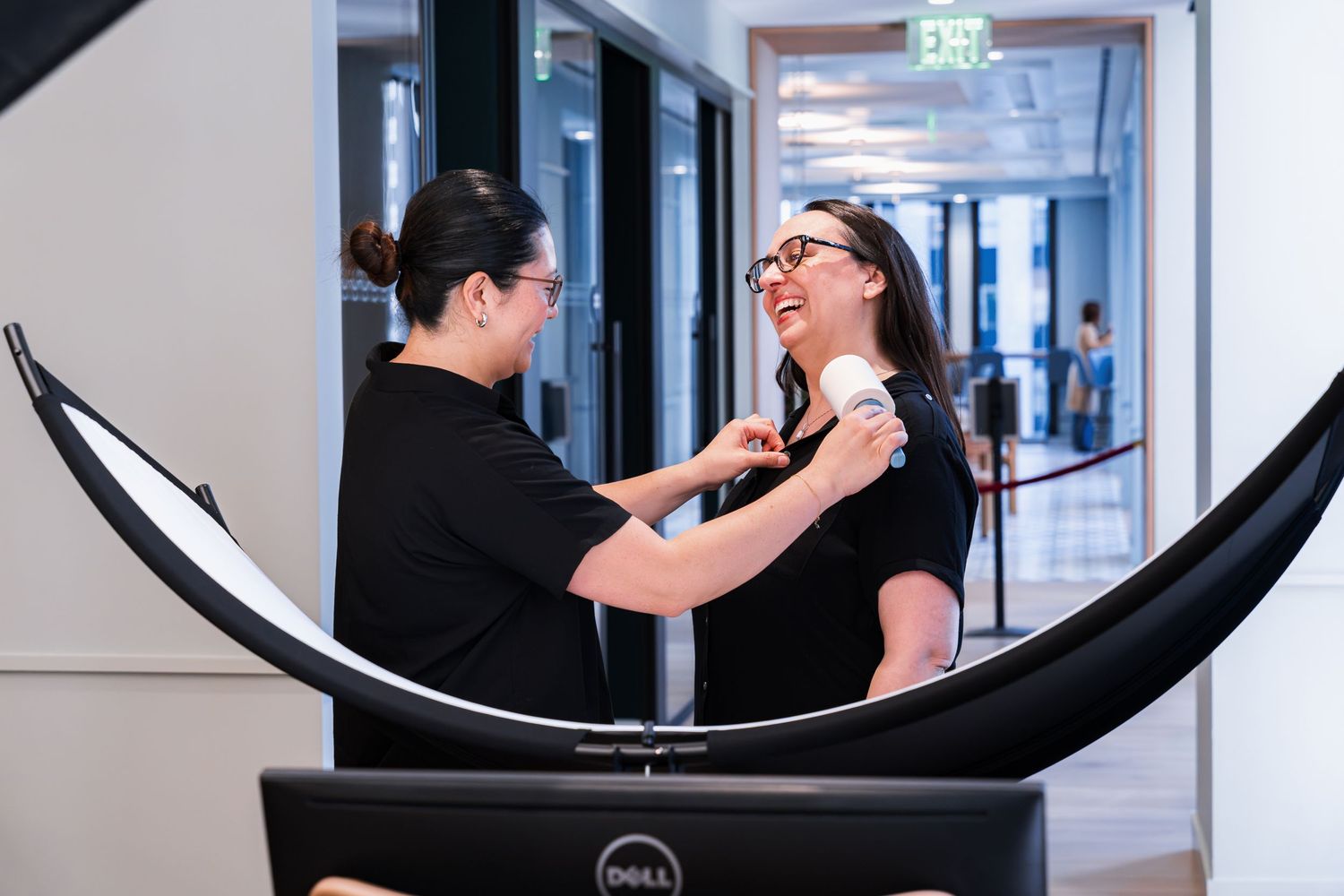
On paper, a corporate headshot day sounds pretty straightforward: set up a backdrop, bring in the team, take some photographs, and move on. In practice, the difference between a smooth headshot day and a frustrating one usually comes down to what happens before anyone steps in front of the camera. Scheduling, space, employee flow, lighting, image selection, and delivery all need to work together. And while efficiency matters, especially when photographing a large team, the experience shouldn't feel like an assembly line.
My approach to corporate headshots is built around finding that balance: a streamlined process for the company, with enough individual direction that each person still receives a portrait that feels polished, natural, and recognizably them.
Here are some of the things I recommend considering when planning a corporate headshot day for your San Francisco or Bay Area team.
1. Start With Your Headcount
Before deciding on the backdrop, schedule, or even how long the photographer should be there, start with one question: How many people need to be photographed?
A headshot day for 15 executives works very differently from a company-wide refresh for 100 employees or a headshot station serving hundreds of conference attendees. Your headcount helps determine: how long each session can be whether appointments should be scheduled or walk-up how many photography stations may be needed how much total coverage time is required how images should be selected and delivered For smaller teams, we can spend more time with each person and create a more guided portrait experience.
For larger groups, I build a tighter workflow that keeps people moving while maintaining consistent lighting, framing, and direction from one person to the next.
For high-volume corporate events, that can mean photographing anywhere from roughly 40 to 300 people over the course of a day, depending on the event structure and level of customization.
2. Decide Between Scheduled Appointments and Walk-Up Headshots
There isn't one scheduling format that works for every company.
Pre-scheduled time slots tend to work especially well for:
- office headshot days
- smaller and mid-sized teams
- leadership groups
- company-wide headshot refreshes
- employees working around meetings and client calls
Appointments make the flow predictable and keep wait times to a minimum.
Walk-up photography can be a better fit for:
- conferences
- summits
- employee events
- recruiting events
- large internal activations
- events where attendance changes throughout the day
Instead of requiring everyone to choose a time beforehand, attendees can step into the portrait station when it fits naturally into their day.
Some events benefit from a combination of both.
The important thing isn't choosing the “right” system universally. It's choosing the format that works with how your people are already moving through the day.
3. Give Each Person the Right Amount of Time
Not every corporate portrait requires the same session length.
A more customized executive portrait session might allow 10–20 minutes or more per person.
A high-volume headshot experience may be closer to 3–5 minutes. Shorter sessions don't necessarily need to feel rushed. Even within a few minutes, small adjustments to posture, body angle, expression, chin position, and framing can make a significant difference.
Most people aren't professional models and they don't need to be.
Part of my job is quickly seeing what works for the person in front of me and giving clear enough direction that they don't have to wonder: What do I do with my hands? Am I standing correctly?Should I smile? The goal isn't simply to photograph the next person in line. It's to create an efficient experience while still paying attention to the individual.
4. Choose a Space That Makes Participation Easy
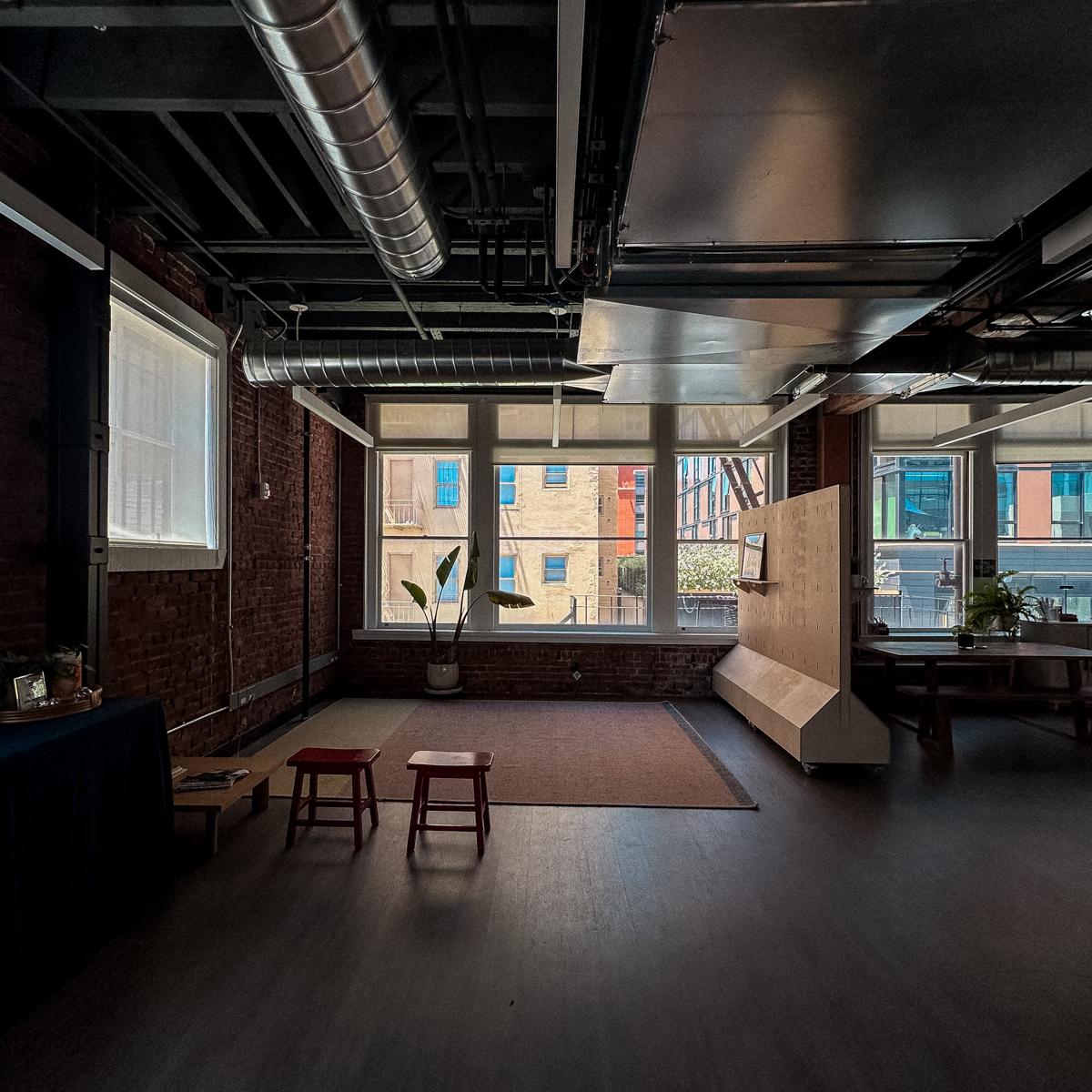
You don't need a photography studio to create professional headshots.
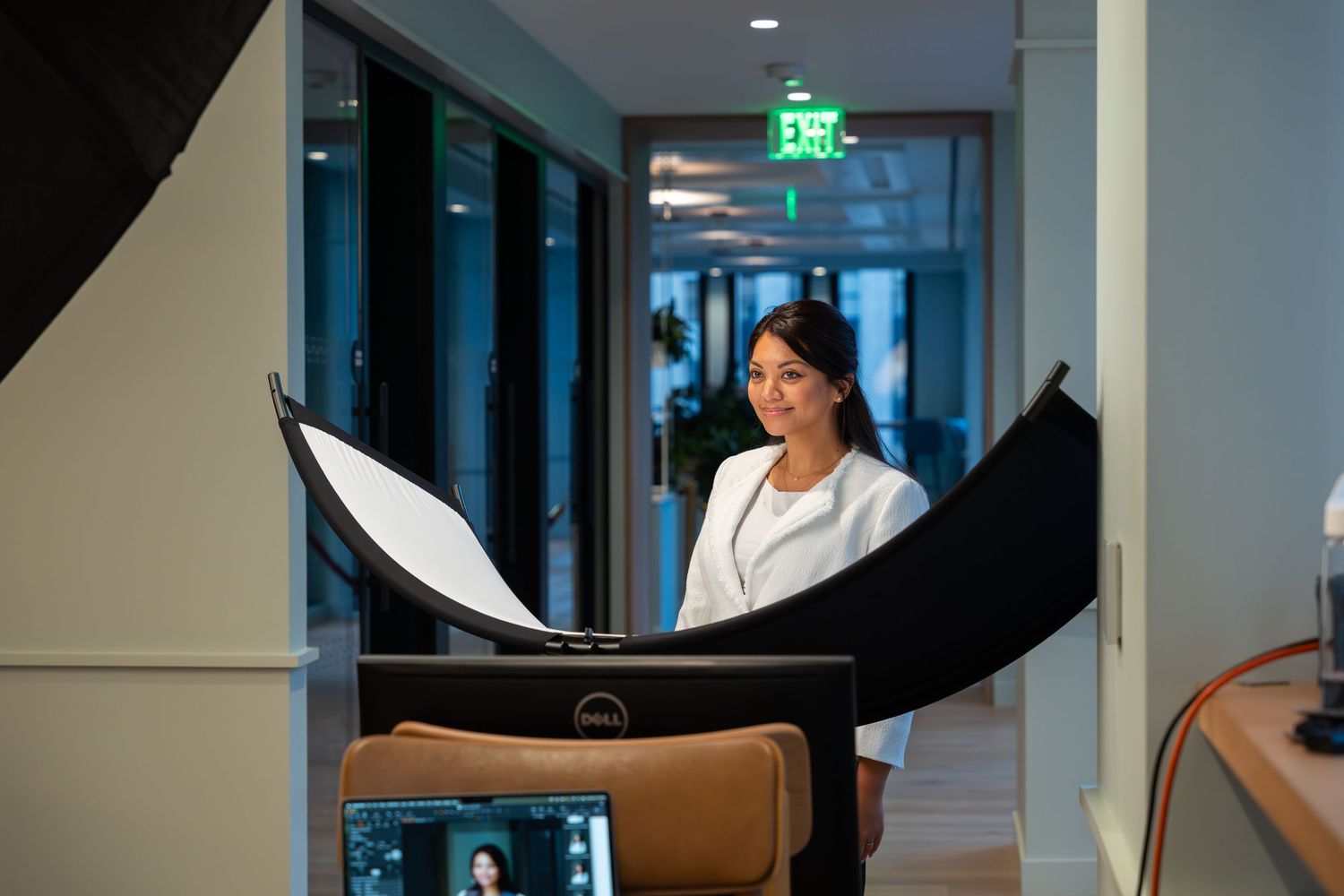
With the right lighting and equipment, a temporary portrait studio can be built inside an office, conference center, coworking space, hotel, or event venue.
A space of approximately 10 × 10 feet or larger is often a useful starting point for a simple headshot setup, although the exact footprint depends on the backdrop and lighting design.
When choosing the location, consider:
- access to standard power
- ceiling height
- nearby foot traffic
- whether people will be lining up
- proximity to the rest of the event or office
- privacy and noise levels
- space for a mirror or touch-up area
Conference rooms, lounges, open-office areas, and event spaces can all work.
I generally prefer to design the portrait setup around the environment rather than forcing every location into exactly the same formula. The easier the station is for employees to find and access, the more smoothly the day tends to run.
5. Decide on the Visual Style Before Headshot Day
A corporate headshot is part portrait and part brand asset.
Before the event, think about where the photographs will ultimately live.
Will they primarily be used for:
- LinkedIn?
- employee directories?
- company websites?
- press and media?
- speaking engagements?
- investor materials?
- internal communications?
- recruiting?
From there, we can choose a visual approach that makes sense for the company.
That could include:
- white or light gray charcoal or black
- a custom brand color
- an environmental office background
- a setup designed to match existing employee portraits
For larger teams, consistency becomes particularly important.
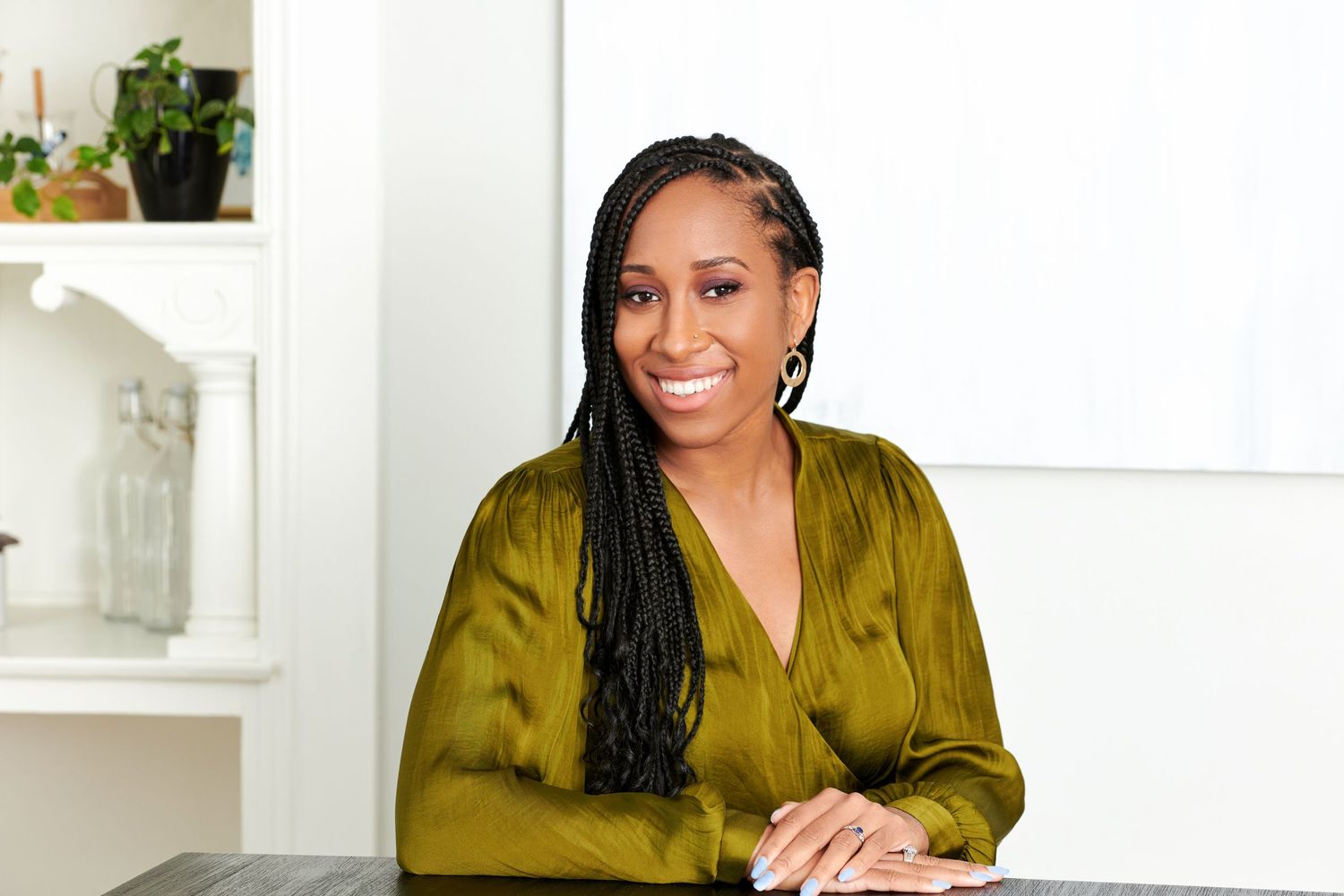
The portraits should look cohesive enough to sit alongside one another on the same website or company page without making everyone look identical. I tend to favor clean, modern setups that keep the attention on the person while still feeling intentional and contemporary.
6. Make the Experience Easy for Employees
One of the most overlooked parts of a corporate headshot day is simply making people comfortable.
A surprising number of people walk into a headshot station already convinced that they aren't photogenic.
Clear communication and a little preparation can change the entire experience.
Before the event, employees should know:
- where the photography station will be
- when they're expected to arrive
- approximately how long they'll be away from work
- what to wear
- whether glasses are okay
- whether they'll be able to review their photographs
- when they'll receive their final images
On-site, I provide direction throughout the session so people don't need to know how to pose. For some events, a simple mirror or camera-ready touch-up station can also be useful.
The best experience is one where an employee can step away from their desk or conference session, get photographed, and return to their day without turning it into a whole production.
7. Decide How Employees Will Select and Receive Their Headshots
Image delivery can become surprisingly complicated when you're working with a large team, so this is something worth deciding before the event.
There are several approaches.
Employees may:
receive an individual online gallery
select their own preferred headshot
receive images directly by email
make their selection immediately after being photographed
Or the company may prefer to:
choose the final images
centrally receive one master gallery
maintain consistent crops and selections across the team
Neither approach is inherently better. The best workflow depends on the number of people being photographed, how much control the company wants over its visual standards, and how quickly the photographs need to be distributed.
For larger events, I can build the image-delivery workflow into the overall photography experience so the organizer isn't responsible for manually distributing everyone's photographs afterward.
8. Know What “Retouching” Actually Means
Editing and retouching aren't necessarily the same thing.
Standard editing typically includes adjustments such as:
- exposure
- color
- contrast
- crop consistency across the gallery
More detailed portrait retouching may also address:
- temporary blemishes
- stray hairs
- minor clothing distractions
- skin refinement
- background cleanup
- other small distractions
My approach to retouching is generally simple: polish the photograph without changing the person. The goal is for someone to look like themselves on a very good day — not like somebody else entirely.
For high-volume events, companies can also choose whether every photograph requires detailed retouching or whether employees select specific final images for that additional finish.
9. Consider Giving Executives More Time
Your entire organization doesn't necessarily have to use exactly the same session format.
One efficient option is to run a high-volume headshot station for employees while scheduling executives and leadership for slightly longer portrait sessions.
Leadership may need additional photographs for:
- press
- speaking engagements
- investor communications
- company announcements
- editorial features
- executive bios
- social media
- presentations
A little additional time also allows for more variety in expression, pose, crop, and sometimes background or location. The result can still visually match the rest of the team while giving leadership a broader image library.
10. Think Beyond This Year's Headshot Day
One question companies often don't consider until later is: What happens when we hire somebody new?
If your company is growing, the best solution may not be a single headshot day. It may be a repeatable portrait system.
That could mean:
- quarterly new-hire headshot days
- annual team refreshes
- returning with the same lighting and backdrop
- maintaining consistent framing and editing standards
- smaller sessions throughout the year
Creating those standards from the beginning makes it much easier to add new employees later without ending up with a team page where every photograph looks like it came from a different company.
For growing organizations, I often recommend thinking of corporate portraits as an ongoing visual system rather than a one-time project.
11. Establish the Delivery Timeline Before the Event
Turnaround depends on the scope and length of the event.
A small team and a 200-person conference obviously create very different post-production needs.
Before the event, your photographer should establish:
- when proofs will be available
- how final selections are made
- whether retouching is included
- when final images will be delivered
- whether expedited files are needed for press or social media
For my corporate photography, the delivery timeline is established in advance based on the scope of the project, with expedited turnaround available when needed. That means everyone knows what to expect before photography begins.
The Best Corporate Headshot Days Feel Easy
A successful headshot day shouldn't feel like a major production for the organizer or an awkward obligation for employees.
The logistics should be organized enough that people can step in, get photographed, and move on with their day.
At the same time, efficiency shouldn't mean treating everyone exactly the same.
The best corporate portraits feel consistent enough to represent one organization while still allowing each person to look like themselves.
That's the balance I look for in my corporate work: an organized, efficient process behind the scenes and thoughtful portrait-making in front of the camera.
I photograph company headshot days, executive portraits, conference headshot stations, and high-volume corporate portrait experiences throughout San Francisco and the Bay Area.
From small leadership teams or coordinating portraits for hundreds of attendees, we can build the setup, timing, and delivery workflow around your organization.
Planning a Corporate Headshot Day in San Francisco?